
About the Discipline
Electrical & Electronics Engineering (EEE) deals with the generation, transmission, distribution, and efficient utilization of electrical energy, along with the study of electronic systems used in modern technology. The discipline plays a critical role in industrial growth, infrastructure development, automation, and emerging energy systems. EEE offers strong career relevance in areas such as power systems, power electronics, embedded systems, renewable energy, smart grids, control engineering, electric vehicles, and robotics. The field continues to evolve with advancements driven by Industry 4.0 and sustainable energy initiatives.
About the Department
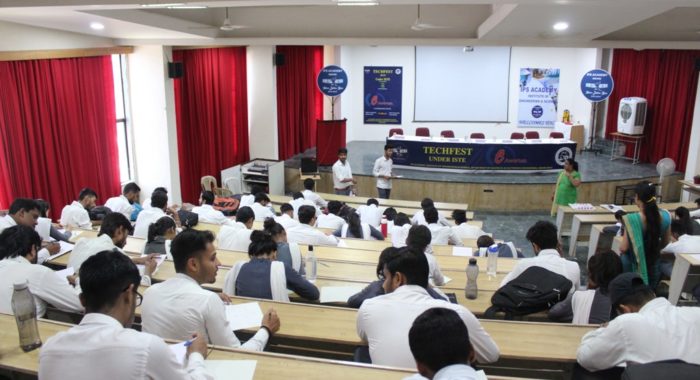
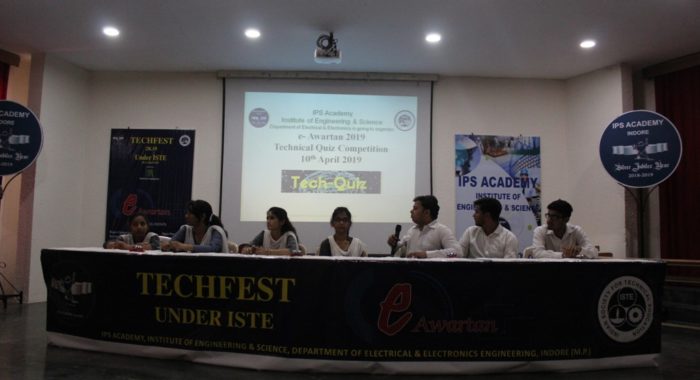
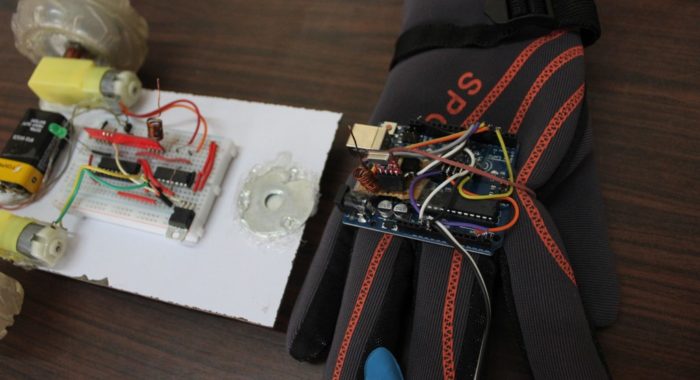
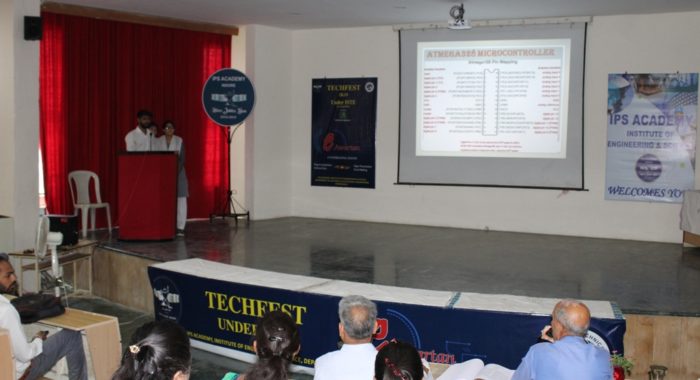
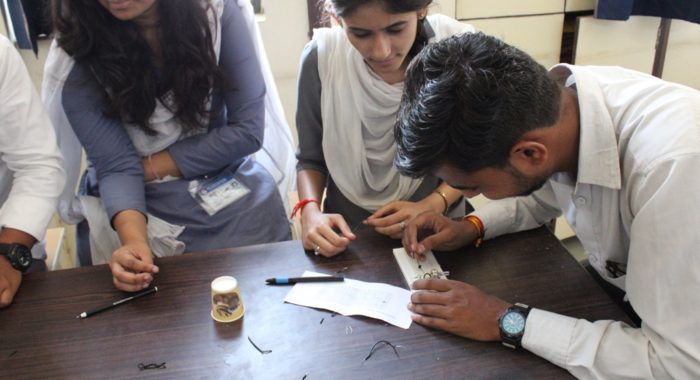
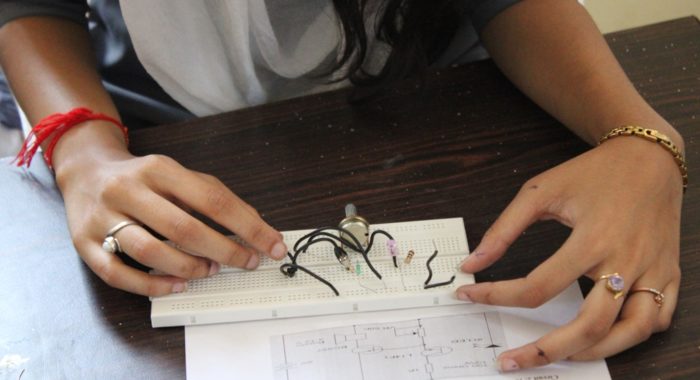
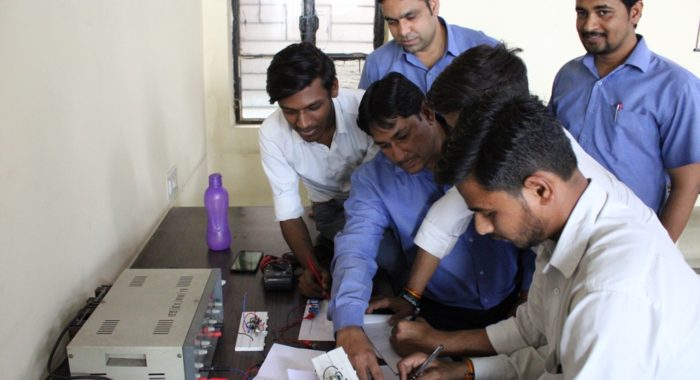
Established in 2003, the Department of Electrical & Electronics Engineering at the Institute of Engineering & Science is NBA accredited and focuses on contemporary areas of electrical and electronics engineering aligned with industrial and societal needs. The department emphasizes hands- on learning in domains such as power electronics, embedded systems, renewable energy systems, smart grid technology, electric vehicles, and robotics. Interdisciplinary exposure to tools and technologies including microcontrollers, DSP, ADC, IoT, MATLAB, Python, C++, and Java equips students with strong analytical and practical skills.
Scope of the Department
The Department of Electrical & Electronics Engineering offers a broad and dynamic scope that aligns with the rapidly evolving technological landscape. It prepares students to address real-world challenges in energy, automation, and intelligent systems by integrating core electrical engineering principles with modern innovations. The department enables learners to contribute to the development of sustainable energy solutions, smart infrastructure, advanced control systems, and next-generation electronic devices. With increasing global emphasis on clean energy, digitalization, and automation, the scope extends to cutting-edge domains such as smart grids, electric mobility, Industry 4.0, artificial intelligence in power systems, and IoT-enabled applications. Graduates are well-equipped to pursue diverse roles in industry, research, academia, and entrepreneurship, making the department a key contributor to technological advancement and societal development.
Courses Offered
Regular Courses
- B. Tech. in Electrical & Electronics Engineering
- M. Tech. in Power Electronics